


Genre Research
Genre
The best way to think about a genre’s meaning is to consider it as a category, usually used in communication and entertainment like literature, music, and film. It’s a form of creative arts with stylistic criteria. Film genres are typically distinguished by “conventions, iconography, locales, narratives, characters, and performers,” which substantially borrow from the theories of literary-genre criticism. Films can also be categorized according to their tone, theme, mood, format, intended audience, and budget. These traits are especially noticeable in genre movies, which are commercial feature films that present familiar stories with familiar characters and familiar settings through repetition and variety in a particular genre. The genre of a movie will affect how certain filmmaking elements are used, such as the usage of flashbacks and subdued lighting in film noir. close-up shots in horror movies. or fonts that resemble rough-hewn logs for titles in Western movies. Additionally, certain film soundtrack conventions are specific to certain genres, such as lavish string orchestras for romantic comedies.
Sub Genre
A subgenre is a narrower and more focused genre that falls under a larger genre. There may be multiple subgenres within each genre, and there may even be more specialized subgenres inside other subgenres. Each main genre can be viewed as a family, with a variety of subgenres making up its family tree. It’s vital to remember that a subgenre is not just a simple mashup or hybrid of different genres. They might, however, be designed to reflect a popular genre mashup, like horror-comedy or action-thriller. The concept of a sub-genre emerged around 300 BCE when Greek philosophers Aristotle and Plato organized various written works into three categories. Numerous genres have been added ever since, and the list of subject matter continues to grow further as time goes on. For example: There are several subgenres of the action genre. The martial arts film is a well-known action subgenre, but our classification should not stop there. We can further categorize movies in the martial arts genre into kung fu and wuxia movies, among other categories.
Hybrid Genre
Works of art that incorporate components from two or more genres are referred to as hybrid genres. These pieces are occasionally referred to as mixed-genre, cross-genre, or multi-genre compositions. Whether on purpose or not, storytellers frequently combine various genres into a single piece of work. Some people engage in it as a type of transgression, refusing to be constrained and considering all of their choices. Some authors just borrow from various genres to enhance their storyline. Nowadays, hybrid genres are so prevalent that they have established themselves as distinct genres. Popular genres include action comedies, mystery thrillers, science fiction, and more.
Types Of Genre
-
Fiction:
-
Stories created from the author's imagination.
-
Example: "To Kill a Mockingbird" by Harper Lee.
-
-
Nonfiction:
-
Based on real events, facts, or information.
-
Example: "The Diary of a Young Girl" by Anne Frank.
-
-
Mystery:
-
Involves solving a crime, unraveling secrets, or uncovering hidden truths.
-
Example: "The Da Vinci Code" by Dan Brown.
-
-
Science Fiction:
-
Often set in the future or in alternative realities, exploring speculative scientific concepts.
-
Example: "Dune" by Frank Herbert.
-
-
Fantasy:
-
Involves magical elements, mythical creatures, and often set in fantastical worlds.
-
Example: "The Lord of the Rings" by J.R.R. Tolkien.
-
-
Romance:
-
Focuses on romantic relationships and emotions.
-
Example: "Pride and Prejudice" by Jane Austen.
-
-
Adventure:
-
Characters embark on a journey or quest, often facing challenges and overcoming obstacles.
-
Example: "The Hobbit" by J.R.R. Tolkien.
-
-
Historical Fiction:
-
Set in a specific historical period, with fictional characters and events.
-
Example: "The Book Thief" by Markus Zusak.
-
-
Thriller:
-
Creates suspense and excitement, often involving danger and high-stakes situations.
-
Example: "The Girl with the Dragon Tattoo" by Stieg Larsson.
-
-
Horror:
-
Intended to scare, terrify, or evoke a sense of dread.
-
Example: "Dracula" by Bram Stoker.
-
-
Biography:
-
Tells the life story of a real person.
-
Example: "Steve Jobs" by Walter Isaacson.
-
-
Autobiography:
-
An account of a person's life written by themselves.
-
Example: "The Diary of a Young Girl" by Anne Frank.
-
-
Comedy:
-
Intended to amuse and entertain, often with humor and happy endings.
-
Example: "Much Ado About Nothing" by William Shakespeare.
-
-
Drama:
-
Focuses on the emotional and interpersonal relationships of characters.
-
Example: "Death of a Salesman" by Arthur Miller.
-
-
Poetry:
-
Uses rhythmic and expressive language to evoke emotions and imagery.
-
Example: "The Waste Land" by T.S. Eliot.
-
Codes and Conventions
Symbolic Codes: The phrase 'codes and conventions' is frequently used in relation to a variety of media, such as literature, film, art, and more. These relate to the established or standardized procedures, guidelines, and components that are frequently applied in a specific genre or media in order to engage the audience and convey meaning. There are rules for how shots should be put together in a scene to communicate a certain feeling or concept. A close-up of a character's face, for instance, could be used to highlight their emotional response. Each film genre has its own set of symbolic codes and customs. For instance, the use of darkness, ominous music, and jump scares are frequent tropes to evoke fear and tension in horror movies.
Examples: Close-Ups for emotional sensitivity, Use of darkness in horror, Jump scares in horror films, Ominous music for tension.


Technical Codes: Technical codes refer to the specific techniques and methods employed in the creation of media. In film, for example, the use of jump cuts or cross-cutting to transition between various scenes can convey specific messages or create a certain pacing to a film. These technical codes are the tools used to construct the visual and auditory elements that make up a cinematic experience. Each film genre adheres to its unique technical codes, ensuring a cohesive and effective presentation. The arrangement of shots, lighting choices, and sound design are all integral technical components that contribute to the overall impact of a film.
Examples: Jump cuts for pacing, Cross cutting for parallel stories, High angle shots for showing vulnerability.
Codes and Conventions For My Genre
Mystery/Crime/Action
The Genre I've chosen to work with elements mainly from the Mystery and Crime genre with a little bit of action involved. The mystery genre is characterized by its focus on solving a puzzle or uncovering the truth behind a mysterious event, often involving a crime. It's known for its suspenseful and engaging narratives that keep readers or viewers guessing until the resolution. The crime genre is characterized by stories that revolve around criminal activities, investigations, and the pursuit of justice. These stories often focus on the motivations of criminals, the methods used to solve crimes, and the moral dilemmas faced by law enforcement and individuals involved. The action genre is known for its high-energy, fast-paced narratives that emphasize physical feats, thrilling sequences, and intense confrontations.
Mystery
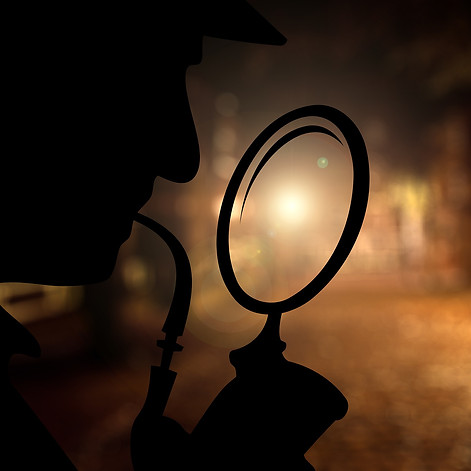
1. Central Mystery: The core element of a mystery story is the puzzle or mystery itself. This could be a crime, a disappearance, an unexplained event, or anything that requires investigation to reveal the truth.
2. Clues: Authors provide readers or viewers with subtle hints and clues that, in retrospect, make the solution of the mystery plausible. These clues can be scattered throughout the narrative.
3. Suspense: Maintaining a sense of suspense and tension is crucial in the mystery genre. This is achieved by gradually revealing information, raising stakes, and creating a feeling of uncertainty.
4. Red Herrings: Authors often introduce misleading clues or information to divert readers' or viewers' attention from the real solution. These are known as red herrings and are designed to add complexity to the mystery.
5. Twists and Turns: Mystery stories thrive on unexpected twists and turns. These can include surprising revelations, unexpected character motivations, and sudden shifts in the narrative that keep the audience engaged.
Crime
1. Law Enforcement Protagonists: More commonly, crime stories feature law enforcement officers, detectives, or investigators as protagonists. These characters are dedicated to solving crimes, often dealing with personal challenges along the way.
2. Moral Ambiguity: Crime stories often explore moral ambiguity and ethical dilemmas. Characters may be forced to make difficult choices, and the line between right and wrong can be blurred.
3. Crime Scene Investigations: Detailed descriptions of crime scenes, forensic analysis, and evidence collection are common in crime stories. These elements add authenticity and depth to the storytelling.
4. Mystery and Puzzle Solving: Crime stories frequently involve a mystery or puzzle that needs to be solved. This could be a murder, theft, or other criminal act. The narrative centers around uncovering clues, solving the puzzle, and revealing the truth.
5. Whodunit Element: Similar to the mystery genre, crime stories often involve a "whodunit" aspect, where readers or viewers are engaged in figuring out who committed the crime.

Action
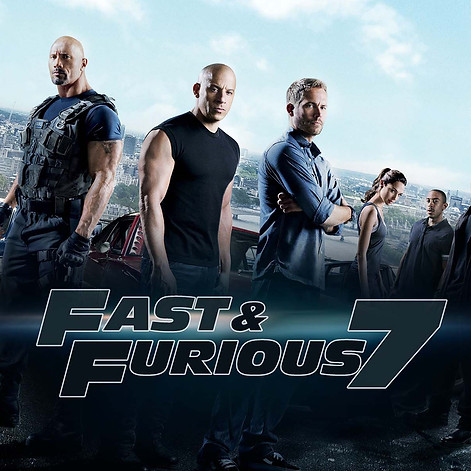
1. Physicality and Movement: Action stories focus on physical activities such as fights, chases, stunts, and other dynamic movements. The characters often engage in extraordinary feats of strength, agility, and skill.
2. High Stakes: The stakes are usually high in action stories, with dire consequences for failure. The threat of danger and the urgency of the situation add tension and excitement to the narrative.
3. Weapon Use: Weapons and tools play a significant role in action stories. Guns, swords, gadgets, and other equipment are often used by characters to gain an advantage in confrontations.
4. Showdowns and Climaxes: Action stories often build toward climactic showdowns between the protagonist and the main antagonist. These confrontations serve as the culmination of the story's conflict.
5. Locations and Settings: Settings in action stories can vary widely, from urban environments to exotic locales. The choice of setting can influence the tone and style of the action.