


Institution Research
Warner Bros Entertainment Inc.
History
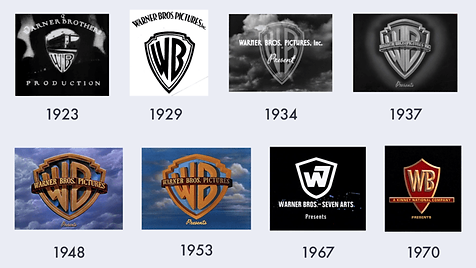
Warner Bros. is one of the most iconic and influential film studios in Hollywood history. It was founded in 1923 by brothers Harry, Albert, Sam, and Jack Warner. The studio's early years were marked by the production of silent films and the introduction of synchronized sound in 1927 with the groundbreaking film "The Jazz Singer," which marked the beginning of the "talkies" era. During the 1930s and 1940s, Warner Bros. became known for its legendary stable of stars and directors, producing classic films such as "Casablanca," "Gone with the Wind," and a series of highly successful gangster films featuring actors like James Cagney and Humphrey Bogart. The studio also created beloved cartoon characters like Bugs Bunny, Daffy Duck, and Porky Pig through its Warner Bros. Animation division. Warner Bros. has been a major player in the entertainment industry, with divisions encompassing film, television, animation, and more. Over the decades, it has evolved into a global entertainment conglomerate, consistently producing both critically acclaimed and commercially successful content. In recent years, the studio has expanded its reach into the world of streaming with the launch of HBO Max, solidifying its presence in the digital era.

Horizontal Integration
A corporation that has participated in horizontal integration within the entertainment sector is Warner Bros. Vertical integration is a growth strategy in which a company consolidates its position within the industry by acquiring or merging with other businesses that operate in the same or similar industry sectors in order to increase its presence and market dominance. Warner Bros. has seen broad and significant horizontal integration. Throughout the studio's existence, it has been possible to expand its reach and broaden its content offerings thanks to a number of strategic alliances and acquisitions. In the past, Warner Bros. has been a significant force in the film business, creating a diverse selection of films in a variety of genres. Warner Bros. has increased the scope of its filmmaking capabilities through acquisitions like New Line Cinema, which it acquired in 1994, and the incorporation of popular movie series like the Harry Potter series. There is a large presence of Warner Bros. in television production. The studio has created several popular TV shows, including classic series like "Friends," "The Big Bang Theory," and "ER," through the acquisition of businesses like Lorimar Television and the establishment of Warner Bros. Television.
Vertical Integration
Within the entertainment sector, Warner Bros. has a history of vertical integration, a business strategy that entails purchasing or controlling different phases of the production and distribution process. With this strategy, the business can streamline operations, take more control over its content, and perhaps even boost profitability. In addition to making its own movies, Warner Bros. vertically integrates by acquiring and running subsidiary production firms. Included in this is New Line Cinema, a division that independently produces movies and enables Warner Bros. to vary its filmography and cater to other demographics. Warner Bros. Animation distributes their animated content through a variety of ways in addition to creating it. This covers streaming services, home video, and television networks. This vertical integration is aided by the company's ownership of Cartoon Network. Warner Bros. entered the streaming market vertically with the introduction of HBO Max. This makes it possible for the studio to have a direct-to-consumer platform for its content, doing away with the requirement for third-party distribution and guaranteeing a larger revenue share.
Production
Warner Bros. manages its own production using a well-respected and thorough procedure that includes numerous stages, from the early stages of a project's conception to its distribution and promotion. The creation of a project frequently marks the start of the production process. Purchasing the rights to a book, screenplay, comic book, or unique idea can fall under this category. Warner Bros. may also work with producers, directors, and writers to create fresh ideas for movies, TV shows, or other forms of media. Warner Bros. officials assess a project's likelihood of success once it has been developed. This include evaluating the script, financial constraints, roster of talent, viability, and target market. The project is given the all-clear to go into production if it is approved. Warner Bros. puts together the appropriate creative and technical teams during pre-production, including directors, producers, actors, and crew members. Finalized budgets, scouted venues, and intricate plans are established for every step of production. The actual filming or recording of content happens at this point. Studio space, equipment, and employees are all provided by Warner Bros. to make the idea a reality. The size of a production can vary greatly, from small independent films to massive blockbusters. Post-production gets started after filming is over. The editing, special effects, sound design, music composition, and other components required to polish the final product are all included in this stage. In order to produce high-caliber work, Warner Bros. frequently works with talent and post-production facilities. Warner Bros. oversees the marketing and distribution plan after a project is finished. To arouse interest and raise awareness among viewers, promotional materials, films, and posters are created. The release method, which may involve theatrical runs, streaming services, or broadcast television, is also decided by the studio.
Example Of A Film Production
Wonder Woman (2017)
The development of a script and premise for a standalone superhero movie centered on the well-known DC Comics heroine served as the foundation for the "Wonder Woman" production. Warner Bros. decided to move forward with the production after considering the script, Patty Jenkins, and the market. Gal Gadot, the lead actress, and Patty Jenkins, the director, were all assembled by Warner Bros. They established a budget, devised costumes, and secured filming sites.Warner Bros. provided the necessary resources, including staff and equipment, for the filming to take place in a number of locales, including Italy and the United Kingdom. Warner Bros. governed the film's final editing, visual effects, and sound composition after the shooting was over.In order to raise interest in the movie, Warner Bros. undertook a comprehensive marketing effort that included the release of trailers, posters, and other promotional materials. They carefully selected a release date and showed "Wonder Woman" in theaters all around the world. On June 2nd, the movie was released in theaters all around the world to positive reviews and financial success.


Distribution
To make sure that its content is seen by viewers all around the world on different platforms, Warner Bros. uses a wide variety of distribution techniques. These strategies are intended to increase the visibility and financial success of its movies, television series, and other forms of media. The majority of the films that Warner Bros. releases are seen in theaters around the world. This includes wide releases in several nations, which are frequently backed by intensive marketing operations to create buzz and draw crowds to theaters. Warner Bros. distributes its content through home entertainment platforms, such as DVD and Blu-ray releases, after the theatrical run. To sell or rent movies and TV shows for home watching, the studio also makes use of digital distribution channels including iTunes, Amazon Prime Video, and Google Play. In both the local and foreign markets, Warner Bros. distributes its television programming to a variety of networks and cable channels. This covers licensing agreements for well-liked programs like "Friends" as well as the sale of content to cable networks and streaming platforms. With HBO Max, Warner Bros.' own subscription-based streaming service, the company has embraced the streaming era. A massive library of Warner Bros. programming, including original series, movies, and vintage works, is available to users of HBO Max. Because of the studio's extensive global distribution network, viewers from all over the world may access its programming. Localized marketing initiatives and regional adaptations fall under this category. By boosting its online presence, Warner Bros. adjusts to shifting consumer tastes. This includes collaborations with online merchants and platforms to distribute content.
Example Of A Distribution
Matrix Resurrections (2021)
Warner Bros. initially released "The Matrix Resurrections" in theaters worldwide, offering a traditional cinematic experience to audiences. This included wide releases in major markets like the United States, Europe, and Asia. After its theatrical run, the film was made available for home entertainment. Warner Bros. distributed "The Matrix Resurrections" through DVD and Blu-ray releases, allowing fans to own physical copies of the movie. Additionally, the film was offered on digital platforms like Amazon Prime Video and iTunes for rental or purchase. "The Matrix Resurrections" was made available for streaming on HBO Max, Warner Bros.' streaming platform. Subscribers had the option to stream the film as part of their subscription, making it easily accessible for viewers who preferred streaming at home. The film had a global release, with Warner Bros. ensuring it reached audiences in multiple countries. Marketing campaigns were adapted to suit different regions and languages. The studio promoted the film on various digital platforms, including social media, to reach a broader online audience. This included official trailers and promotional materials on YouTube and social media platforms like Twitter and Instagram. Warner Bros. licensed "The Matrix" franchise for merchandise, including action figures, clothing, and collectibles. These products were distributed through retail outlets and online stores. While "The Matrix" franchise is not as prominent in theme parks as some others, Warner Bros. may explore opportunities to integrate the brand into themed attractions in the future, expanding its presence in the theme park industry.

